
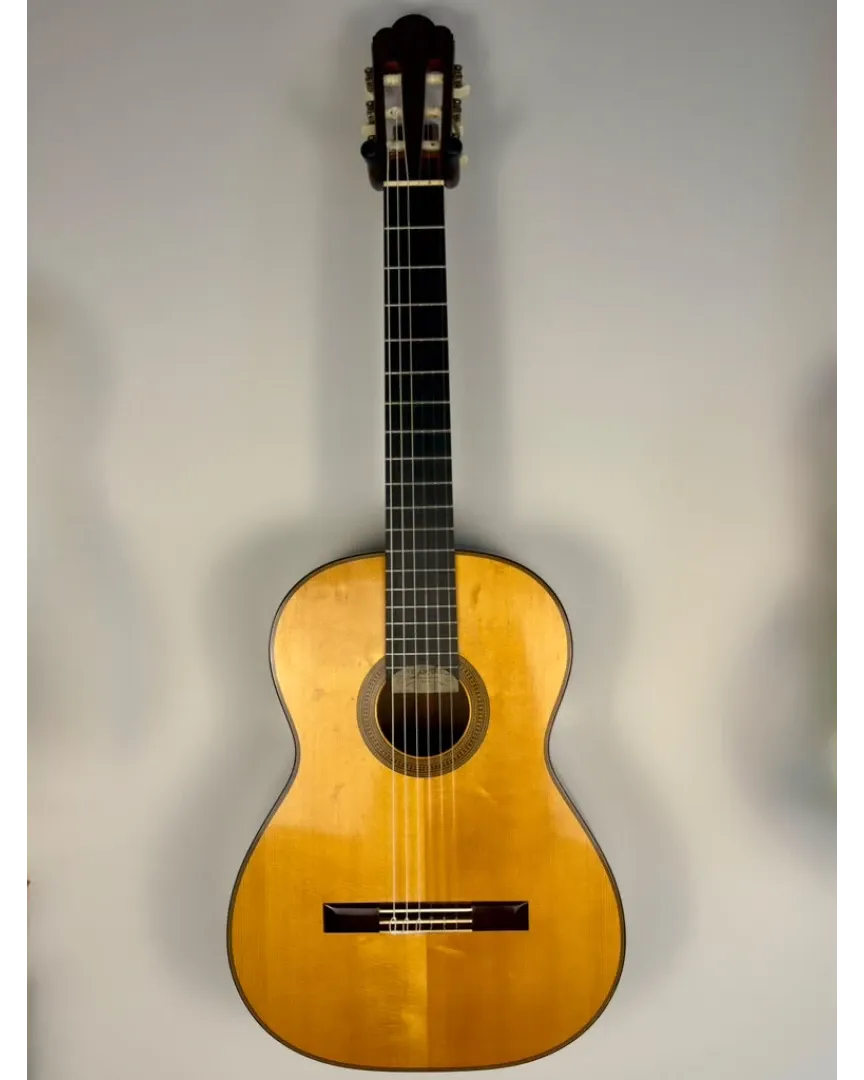
1966 manuel velazquez classical guitar
$17,000
Specifications
• Builder: Manuel Velázquez, New York
• Year: 1966
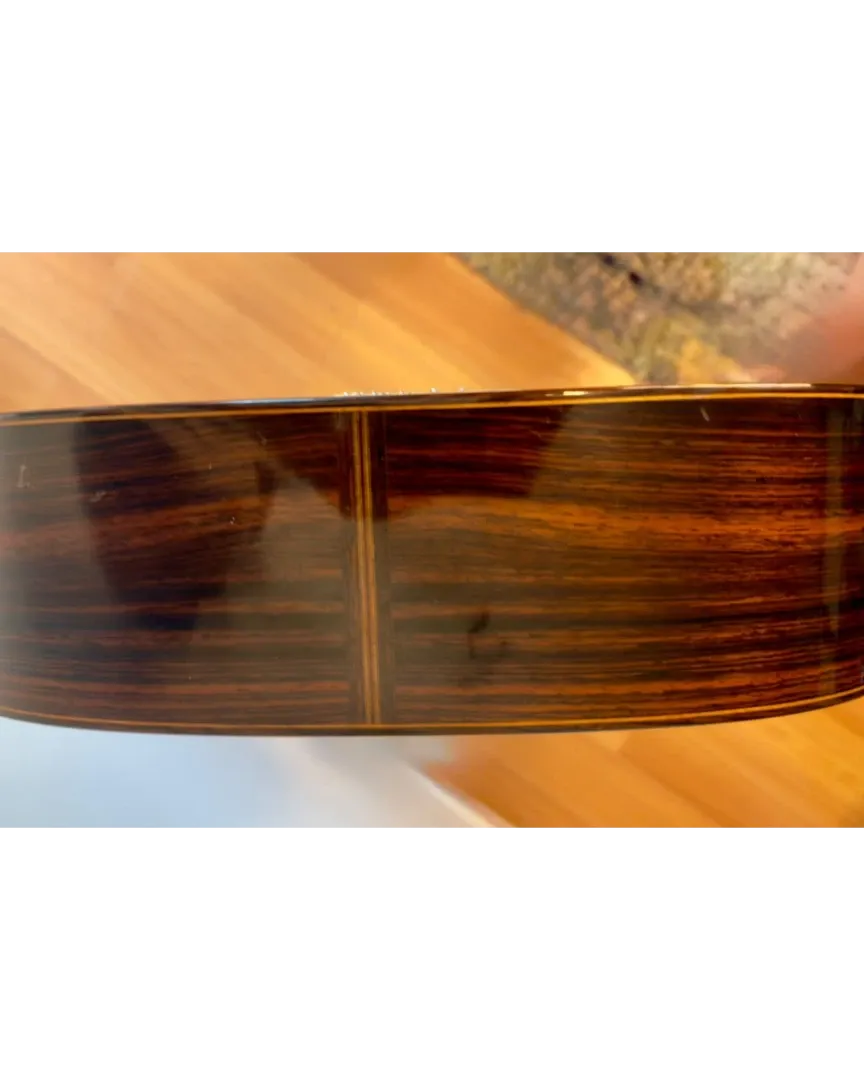
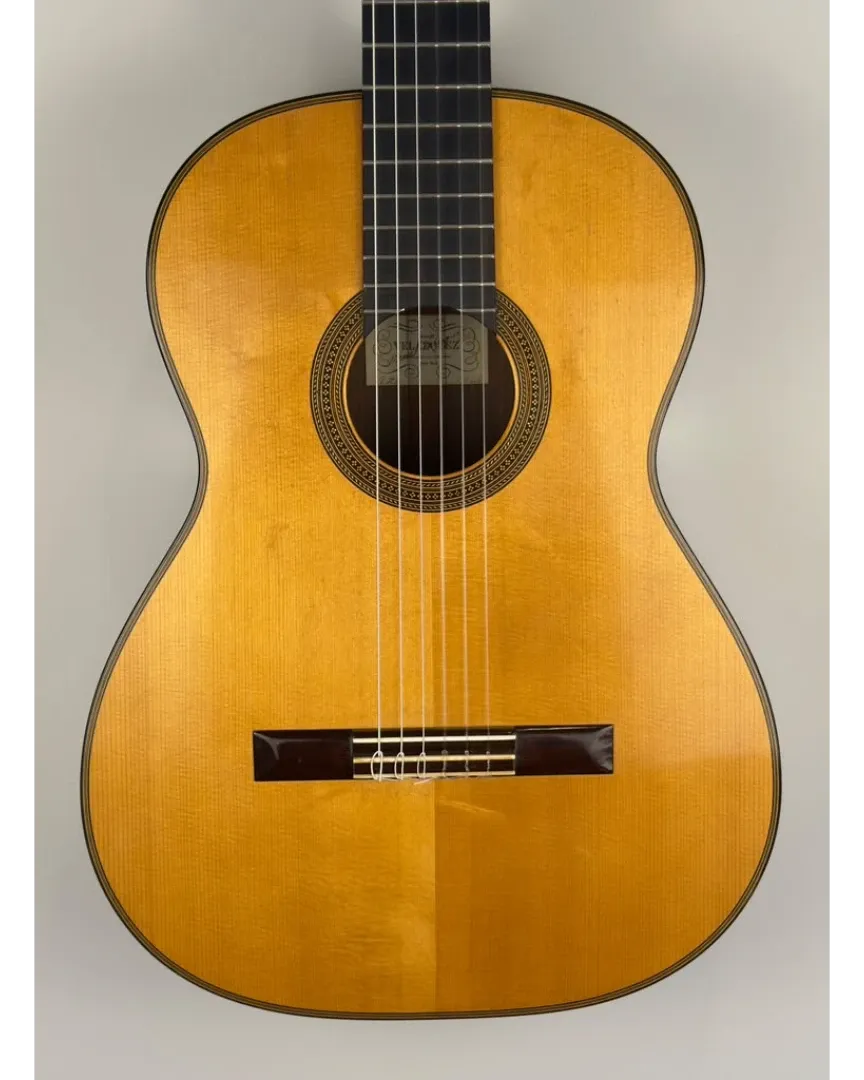
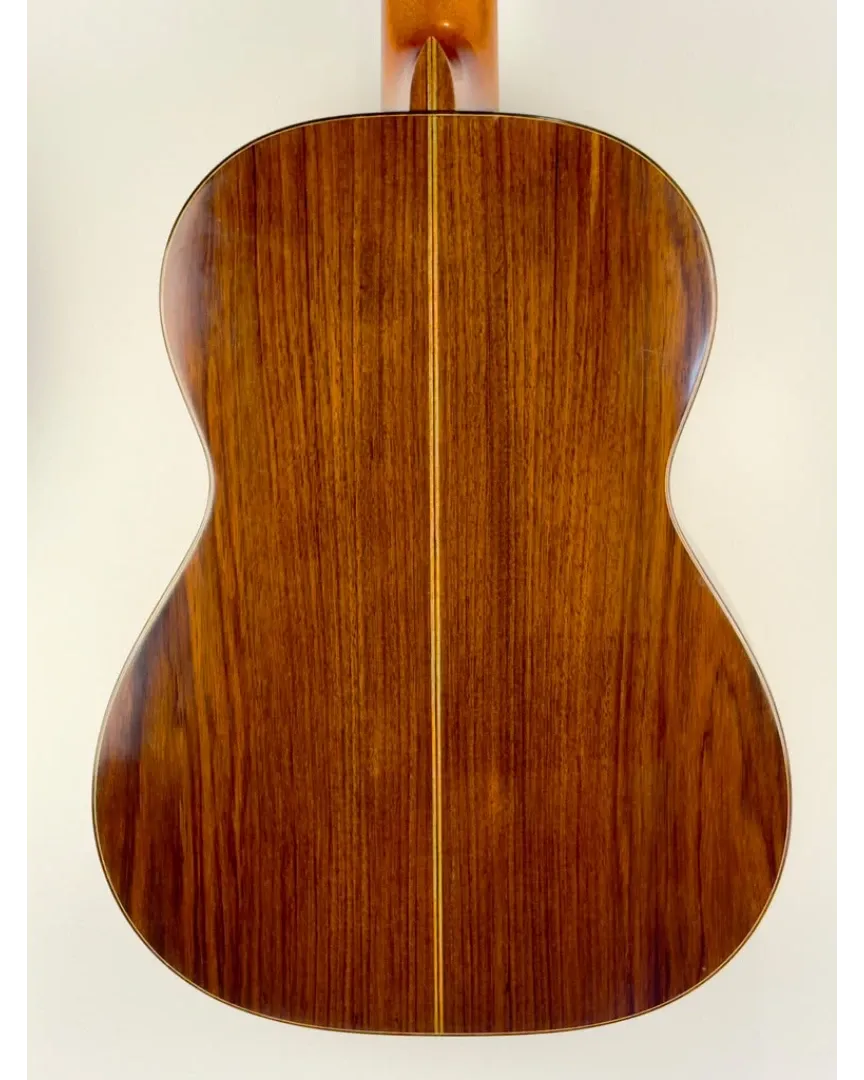
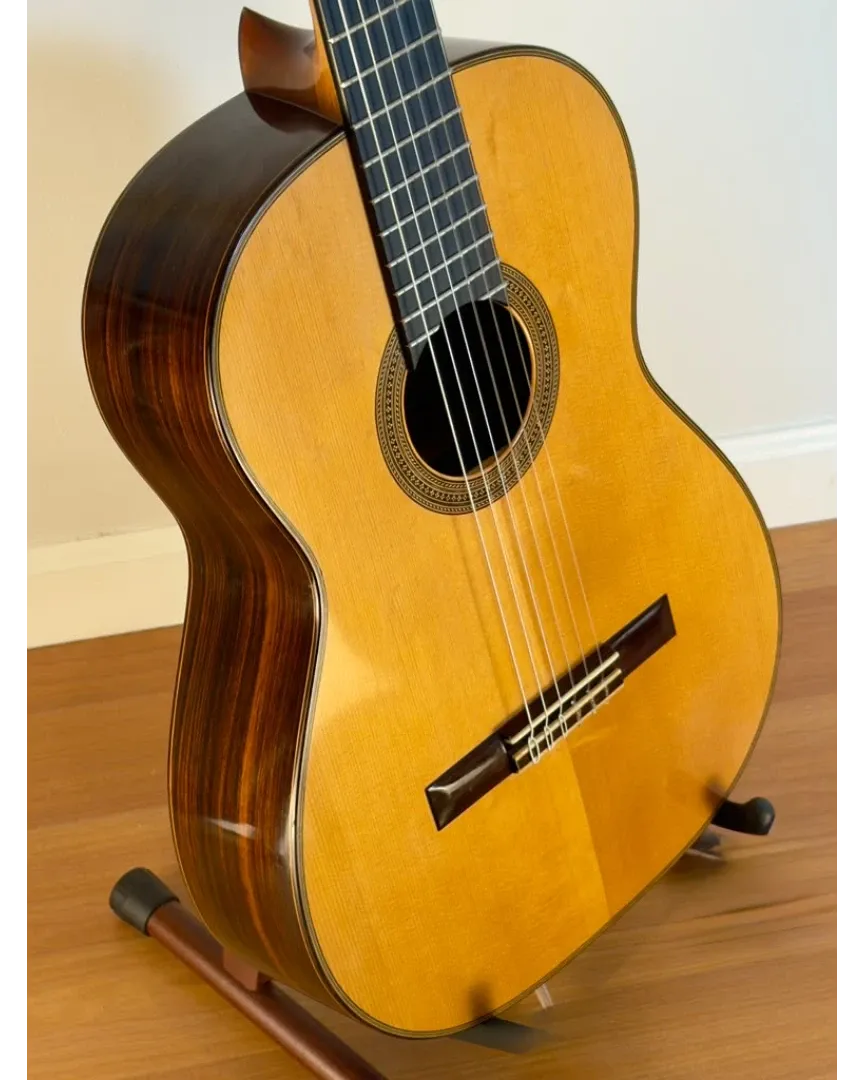
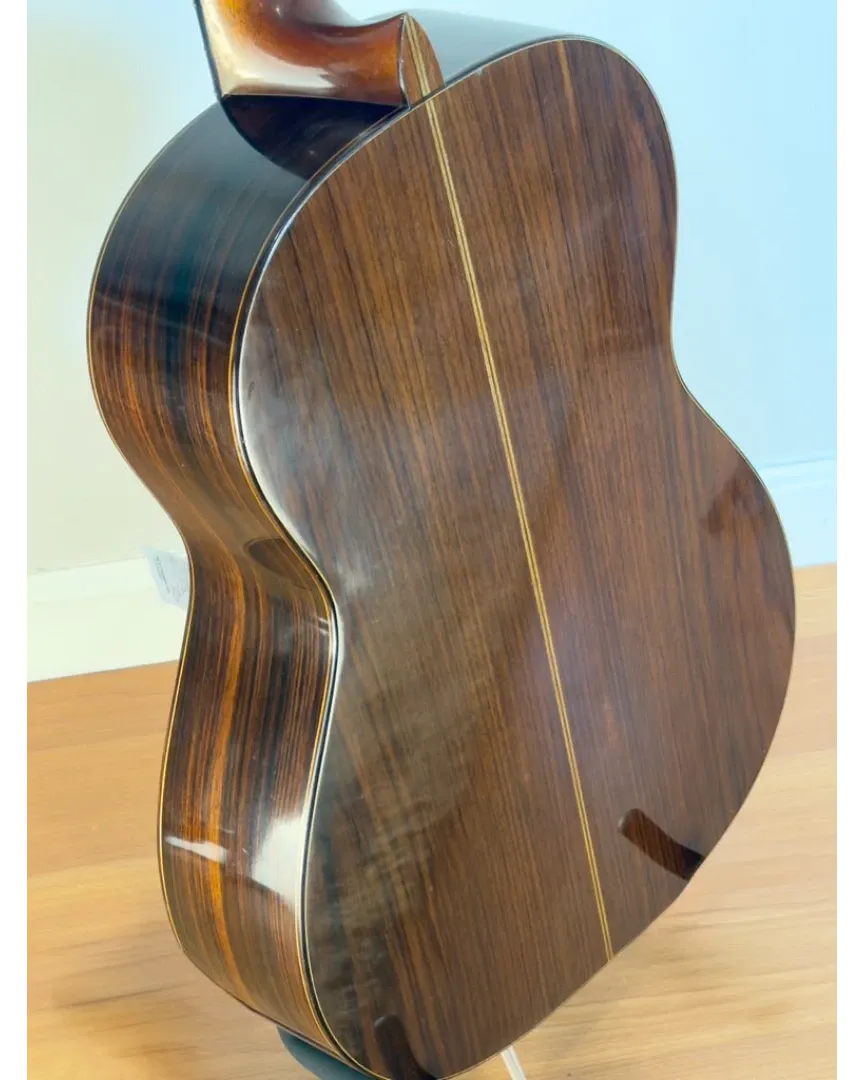
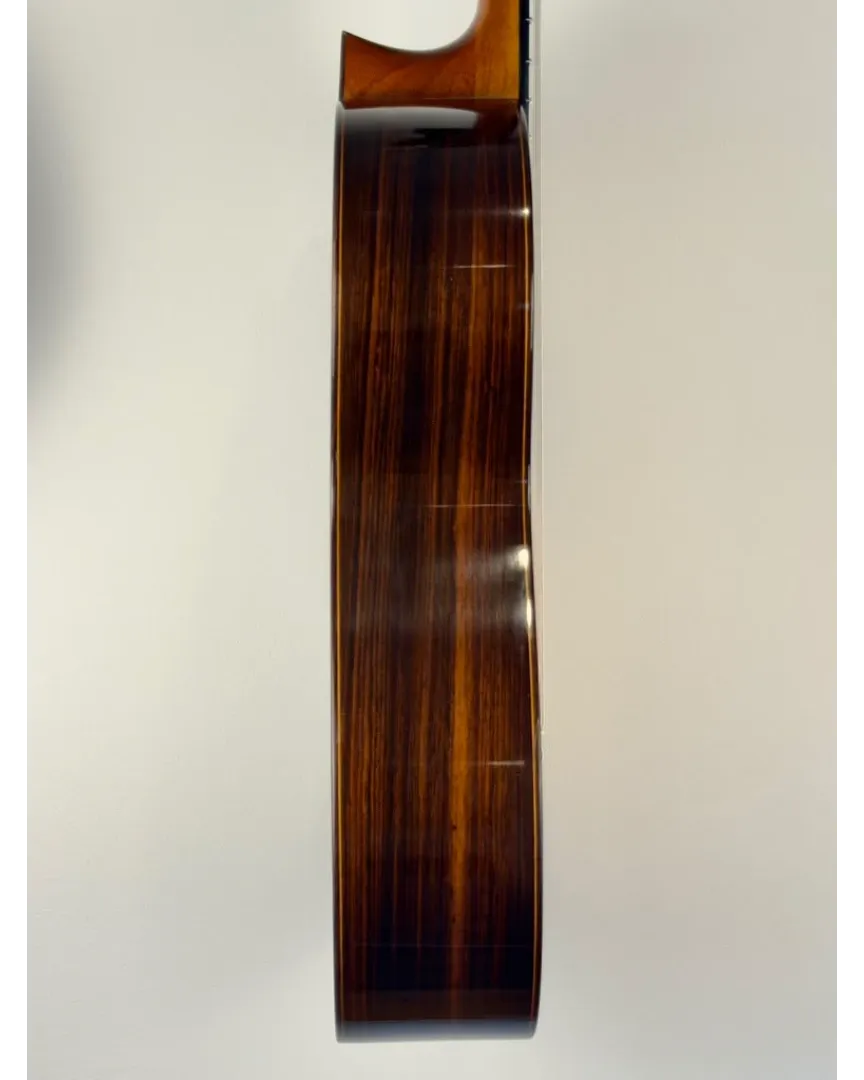
• Top: Spruce | Back & Sides: Brazilian Rosewood
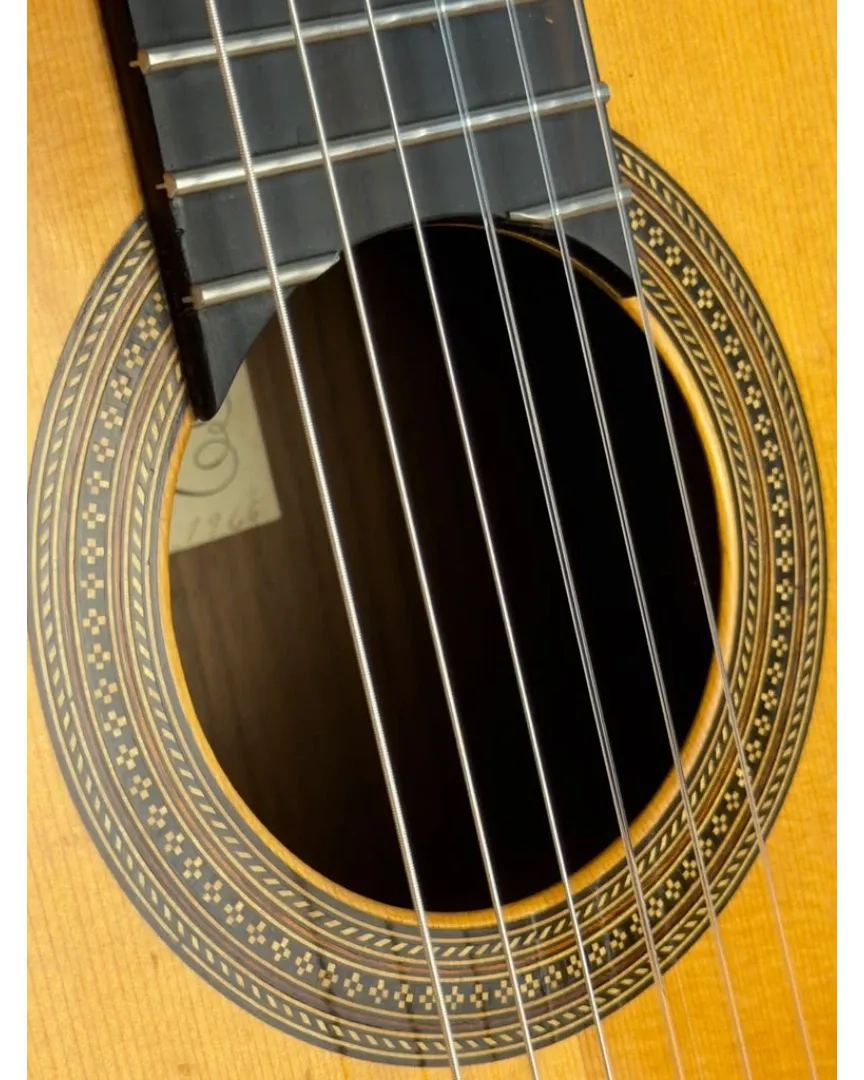
• Fingerboard: Ebony | Finish: French Polish
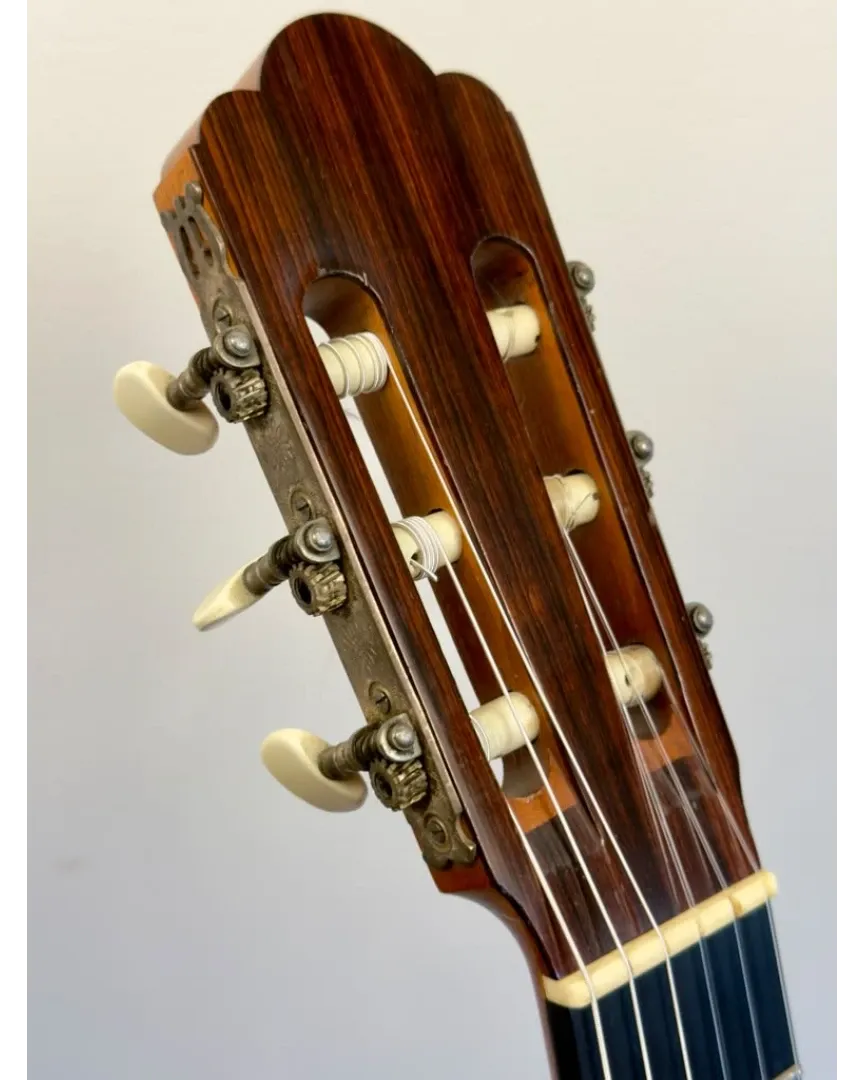
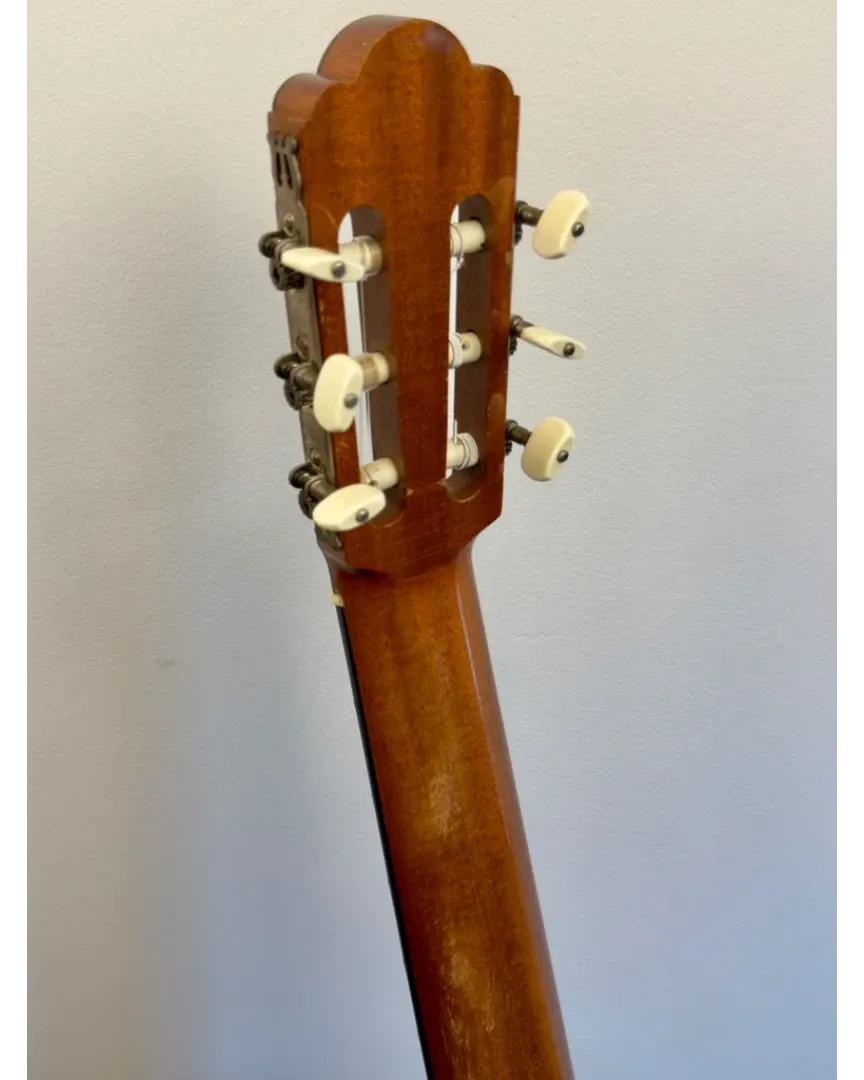
• Tuners: Lansdorfer (engraved plates, open gears)
• Scale Length: 651 mm | Nut Width: 53 mm
• Action – Bass (12th fret): approx. 3.5 mm
• Action – Treble (12th fret): approx. 3.5 mm
• Saddle Exposure: approx. 2 mm
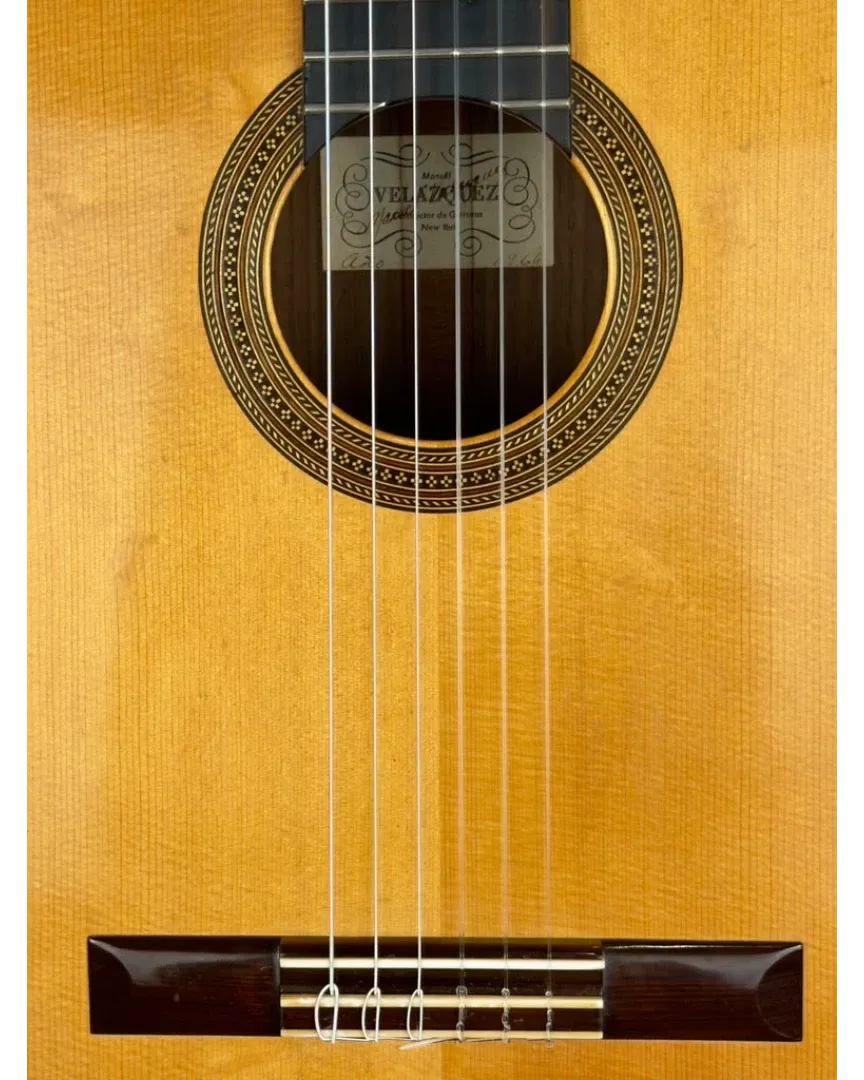
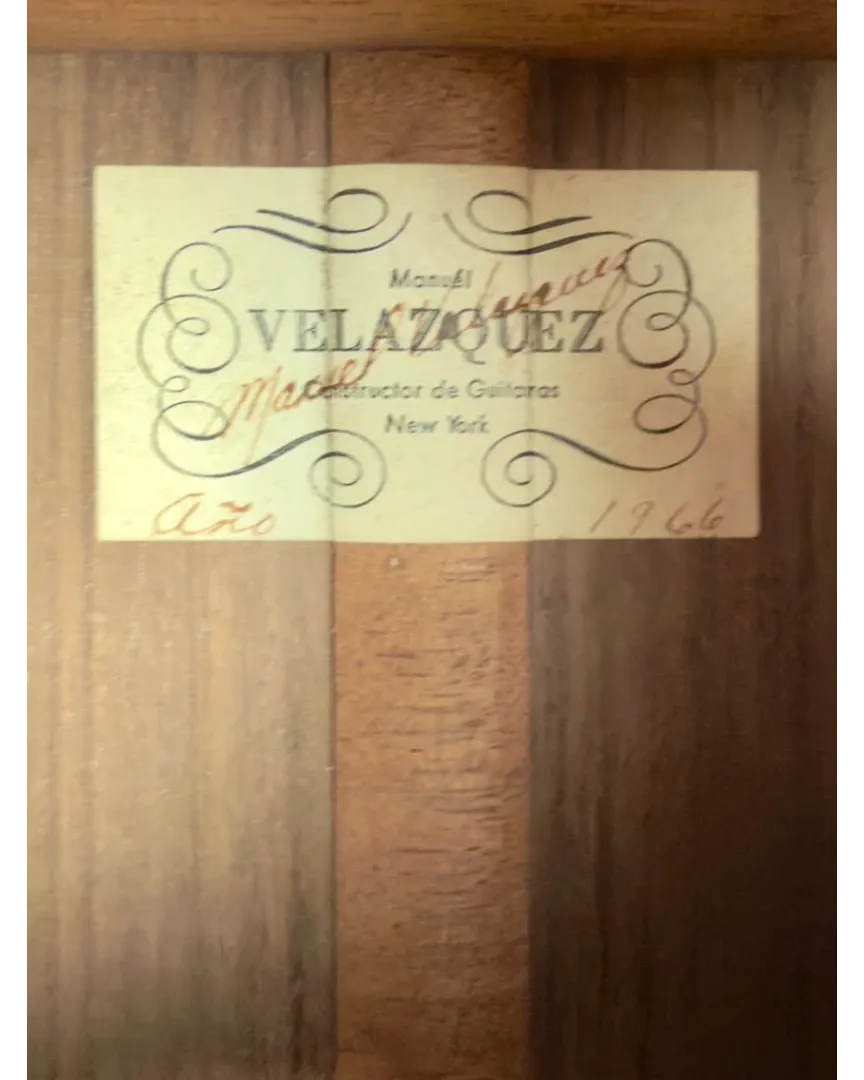
• Label: Original — "VELAZQUEZ – Constructor de Guitarras – New York" 1966
• Condition: Excellent — one small repaired back crack; minor play wear
• Includes: Hardshell case
• Asking Price: $17,000
Manuel Velázquez (1917–2014) was the most important classical guitar maker to work in the United States in the 20th century — a Puerto Rican-born luthier whose instruments earned the highest possible recognition from the most demanding players in the world, and who devoted nearly a century of his life entirely to the craft. Born in Manatí, Puerto Rico, in 1917, he built his first guitar as a teenager and moved to New York in the early 1940s, working initially at a Brooklyn Navy Yard shipyard before opening his first workshop. His early instruments caught the attention of the New York guitar community rapidly; by 1955 the UK journal Guitar News was already describing him as "by far the best master in the United States." The Guitar Foundation of America honored him with its Industry Leadership Award in 1996.
The story of how he acquired the Brazilian rosewood for his earliest New York instruments has become one of the memorable anecdotes in American lutherie: he sourced the wood from mess hall tables reclaimed from a sunken troop ship dismantled at the Navy Yard — Brazilian rosewood repurposed from wartime surplus into concert instruments. It speaks to the resourcefulness and determination that characterized his entire career. Andrés Segovia himself — who met Velázquez through the Society of the Classic Guitar of New York — gave him his endorsement, reportedly saying upon first meeting the young builder: "You are too young to be called a master luthier." The implication, of course, was that the guitars themselves told a different story.
The 1966 label places this instrument at a particularly significant moment. Sources indicate that Velázquez spent part of the early-to-mid 1960s based in Puerto Rico before returning to New York around 1966. Following his return he worked alone, limiting his output to ten to fifteen instruments per year — a deliberately small production that ensured each guitar received his complete personal attention. A 1966 New York-labeled instrument is therefore from the very beginning of this final solo New York period, before he departed permanently for Puerto Rico in 1972. The earlier New York guitars from his solo periods are consistently the most sought after by serious players and collectors.
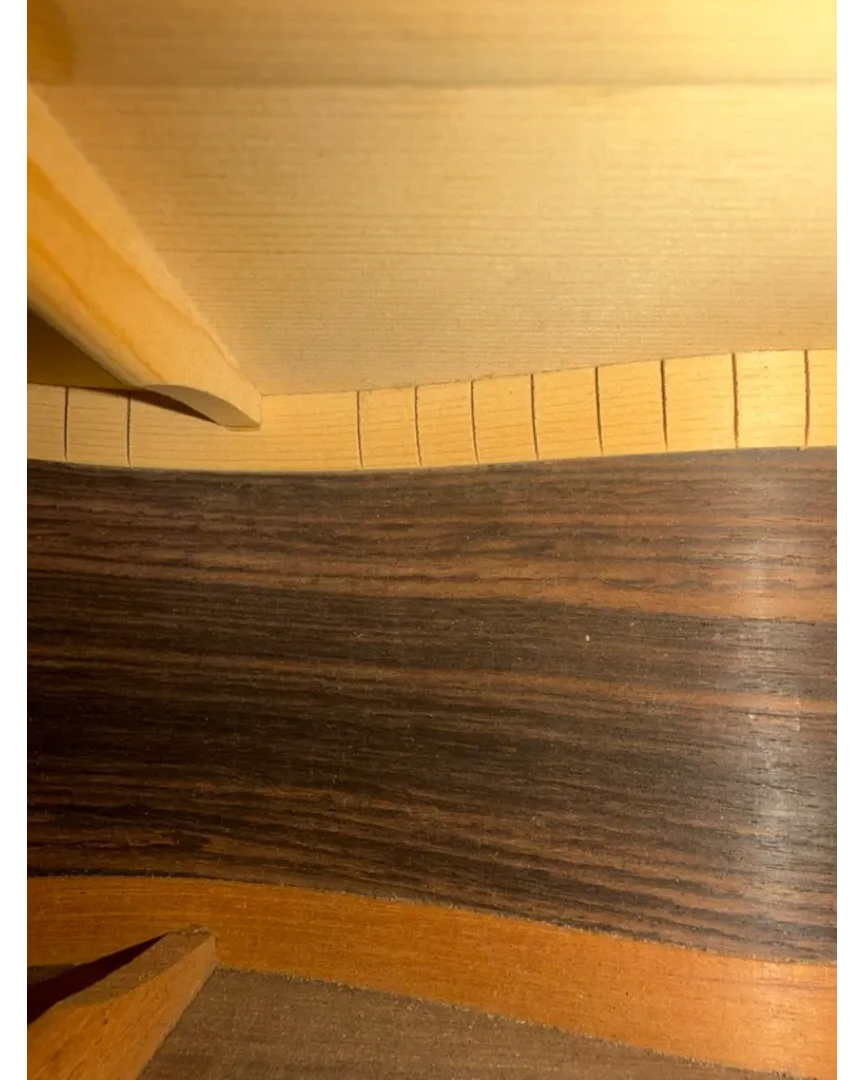
The guitar carries its original interior label: "VELAZQUEZ – Constructor de Guitarras – New York" dated 1966. The spruce soundboard has developed a deep, warm golden patina over nearly six decades. The Brazilian rosewood back and sides display rich color and attractive straight grain — Brazilian rosewood from this period, predating the 1992 CITES restrictions, is among the most prized tonewoods in classical guitar making. The French polish finish is intact and beautifully preserved. A period-correct set of Lansdorfer tuning machines — ornately engraved plates, open gears, and traditional buttons — complement the instrument's quietly refined aesthetic perfectly.
The voice is everything a Velázquez of this period should be: balanced and responsive, with the clarity, projection, and tonal richness that Guitar Salon International has described as yielding "nothing in craftsmanship or sound to his Spanish or German contemporaries."
Condition: Excellent for an instrument of nearly 60 years. One very small repaired back crack — stable, disclosed here fully. Minor evidence of careful playing only.
Includes hardshell case.

COMPANY
FOLLOW US


Copyright 2026. Mill Valley Guitar. All Rights Reserved.